"The Reality of Caregiving: How Families Can Support Their Loved Ones"
August 8, 2025
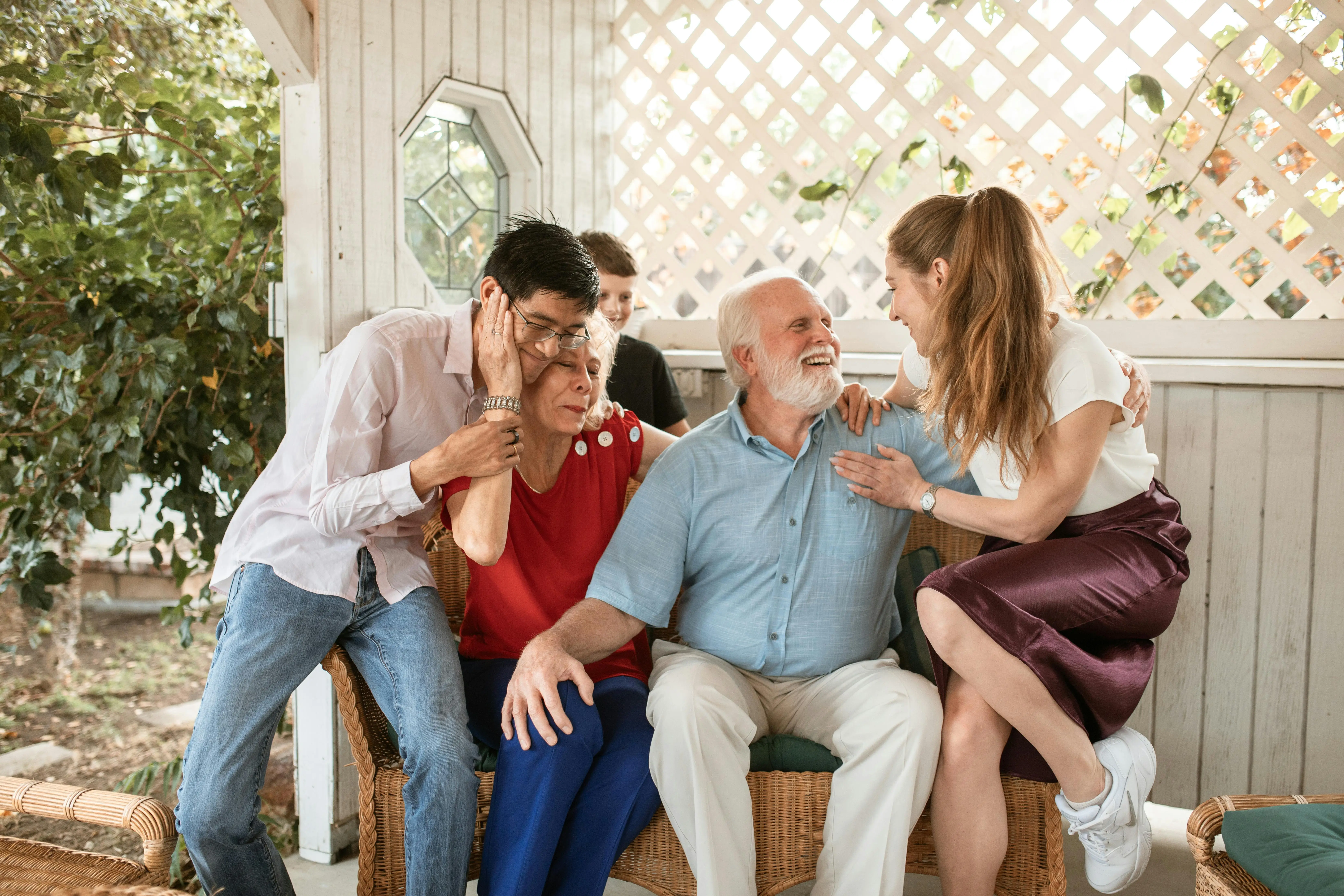
Across North America, more and more people are stepping into the role of caregiver. Whether it’s looking after an aging parent, a spouse with a chronic illness, or a child with a disability, caregiving has become a shared experience in many households. It’s a role rooted in love, but one that also brings real emotional, physical, and financial challenges.
At Salyx, we understand that caring for a loved one can feel like a rollercoaster of emotions, rewarding at times, but often overwhelming for the primary caregiver. That’s why, in this blog, we’re sharing practical tips to help support both your well-being and that of the person you care for.
Caregiving involves much more than managing medications or helping with daily activities. It often affects every aspect of a person’s life. Caregivers may experience:
Emotional stress and anxiety
Physical exhaustion and lack of sleep
Feelings of guilt or inadequacy
Financial pressure
A deep sense of purpose and pride
Moments of grief, even while the loved one is still present
These mixed emotions are entirely normal, but many caregivers don’t always feel comfortable talking about them. As a result, they may begin to feel isolated or overwhelmed.
What Caregivers Often Need
Family caregivers tend to prioritize the needs of others, often neglecting their own. Yet, without the proper support, caregivers are at risk of burnout. Experts and health organizations suggest that caregivers benefit from:
Regular breaks and personal time
Emotional support and mental health care
Practical help from other family members or professionals
Training or resources tailored to the care they provide
Access to community support systems
How Families Can Support One Another
When caregiving becomes a family matter, the best outcomes often come from shared responsibility. Here are a few ways family members can work together:
Divide tasks fairly – Share caregiving duties such as grocery shopping, driving to appointments, or managing finances.
Keep communication open – Regular family check-ins can prevent misunderstandings and reduce resentment.
Be emotionally supportive – Simply asking how the caregiver is doing can make a big difference.
Respect each other’s limits – Not everyone can contribute in the same way, and that’s okay.
Involve the person receiving care – When possible, include them in decisions about their care to maintain their dignity and autonomy.
Use technology to stay connected and informed – Wearable devices can play a powerful role in supporting both caregivers and the person receiving care. These devices can monitor heart rate, sleep patterns, movement, falls, or medication reminders—providing peace of mind to family members, especially those who can’t be physically present. Data from a wearable can be shared among family caregivers to ensure everyone stays informed and can respond quickly if something seems off. This not only helps coordinate care more efficiently, but also empowers the person being cared for to maintain some independence with added safety.
Caring for the Caregivers
Caregiving is one of the most compassionate and selfless roles a person can take on. But even the most devoted caregivers need care themselves. Families that work together, share the load, and lean on outside support are more likely to maintain their health and provide better care in the long run.
Recognizing the challenges, offering practical help, and showing appreciation for caregivers are simple yet powerful ways families can make a lasting difference.
Fortunately, many organizations offer support, education, and relief services:
Canada
Family Caregivers of British Columbia – www.familycaregiversbc.ca
211 Canada – Connects users to local resources: www.211.ca
United States
Family Caregiver Alliance – www.caregiver.org
Eldercare Locator – A government resource finder: eldercare.acl.gov